GLP-1 Agonist
BPC-157
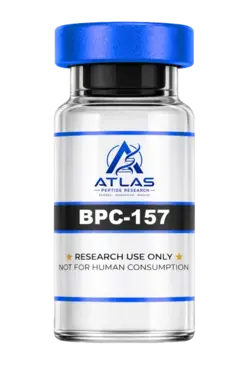
BPC-157 is a synthetic pentadecapeptide investigated in preclinical research models for its interactions with angiogenic signaling and cellular repair pathways. It is frequently studied in the context of tissue and gastrointestinal research applications. This 10mg unit is verified at ≥99% purity by HPLC and confirmed via LC-MS. For laboratory research use only; not for human or animal consumption.
Mechanism of Action
Preclinical studies suggest BPC-157 interacts with multiple biological pathways. Research indicates involvement with the nitric oxide (NO) system, where the peptide appears to modulate both constitutive and inducible NO synthase activity. Studies have also implicated upregulation of vascular endothelial growth factor (VEGF) and the FAK-paxillin signaling cascade, which are associated with fibroblast migration and proliferation.
Additional research points to interactions with the dopaminergic system, GABAergic pathways, and serotonergic signaling. In vascular models, BPC-157 has been investigated for its capacity to promote collateral vessel recruitment following experimental vessel occlusion in rodent studies. The peptide has also been studied for its effects on growth hormone receptor expression and its potential involvement in the NO-mediated cytoprotective cascade described by Robert's cytoprotection model.
Research Applications
- → Over 100 peer-reviewed preclinical publications investigating tissue repair mechanisms across tendon, ligament, muscle, bone, and gastrointestinal models
- → Studies demonstrate upregulation of VEGF and growth factor expression in rodent wound healing models
- → Research indicates modulation of the nitric oxide system and FAK-paxillin signaling pathways associated with fibroblast migration
- → Investigated for cytoprotective effects on gastrointestinal mucosal integrity in preclinical gastric lesion models
- → Studies in rodent models suggest promotion of collateral vessel recruitment following experimental vascular occlusion
Analytical Validation
BPC-157 is verified via LC-MS and HPLC analysis. Each lot is tested for identity, purity (≥99% target), and endotoxin levels. Full certificate of analysis is available upon request.